











NASA Science
NASA Science seeks to discover the secrets of the universe, search for life elsewhere, and protect and improve life on Earth and in space.
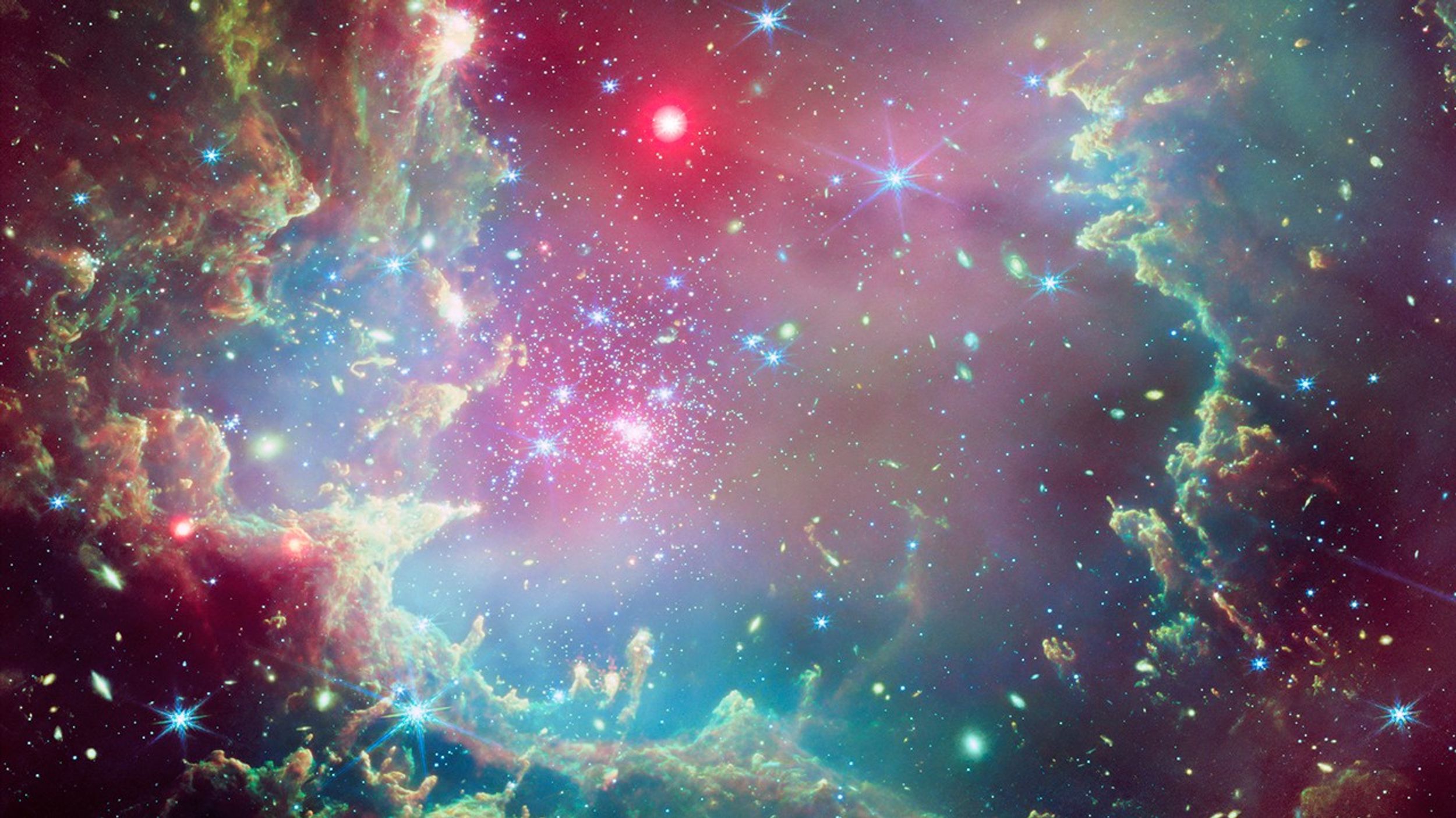
Featured Missions
Our mission milestones showcase the breadth and depth of NASA science.

IMAP
Launched September 24, 2025, IMAP will help researchers better understand the boundary of the heliosphere, a huge bubble created by the Sun surrounding and protecting our solar system.
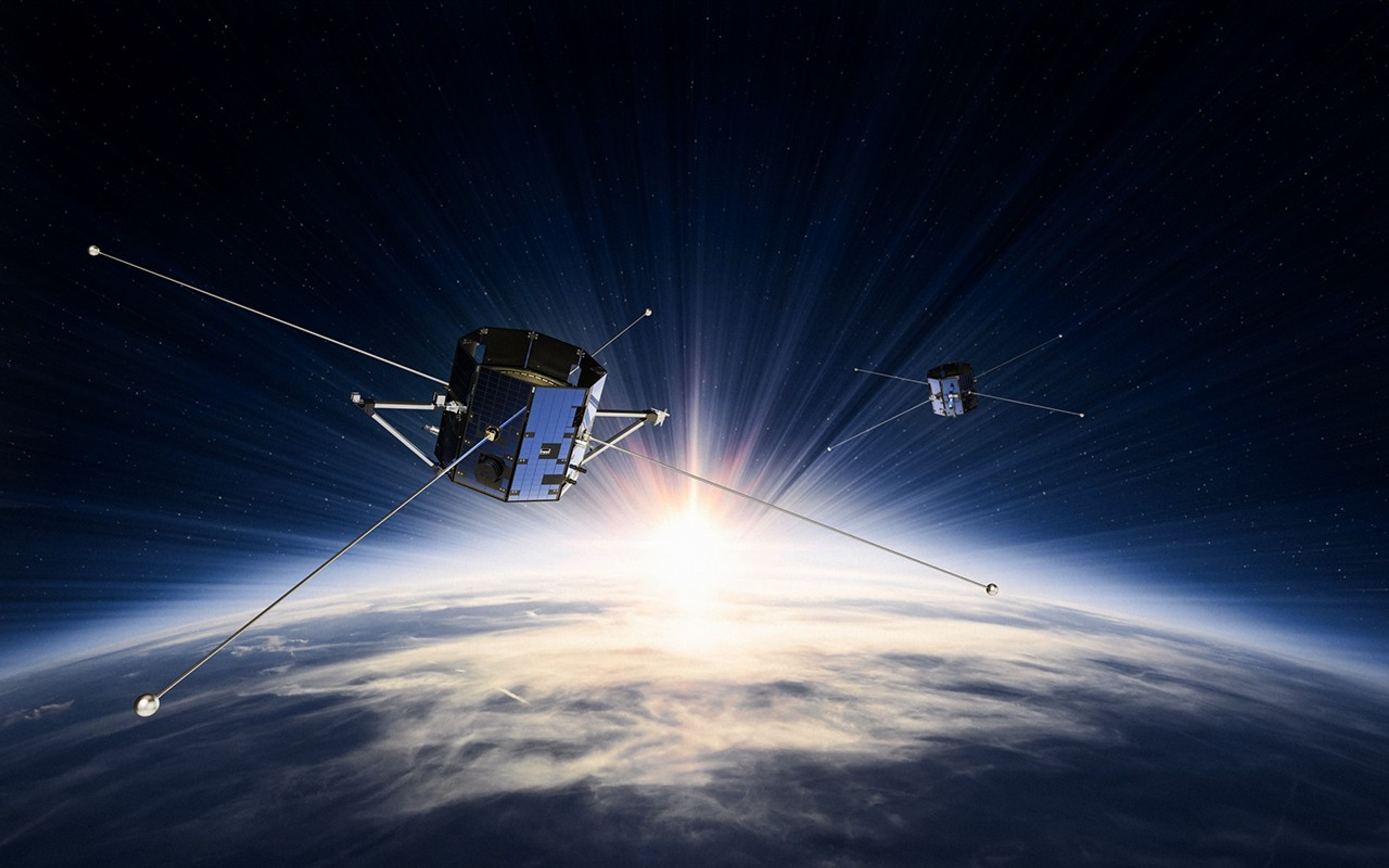
TRACERS
Launched July 23, 2025, TRACERS will study magnetic reconnection—when solar activity disrupts Earth’s magnetic field—to help scientists better understand and prepare for the effects of space weather.
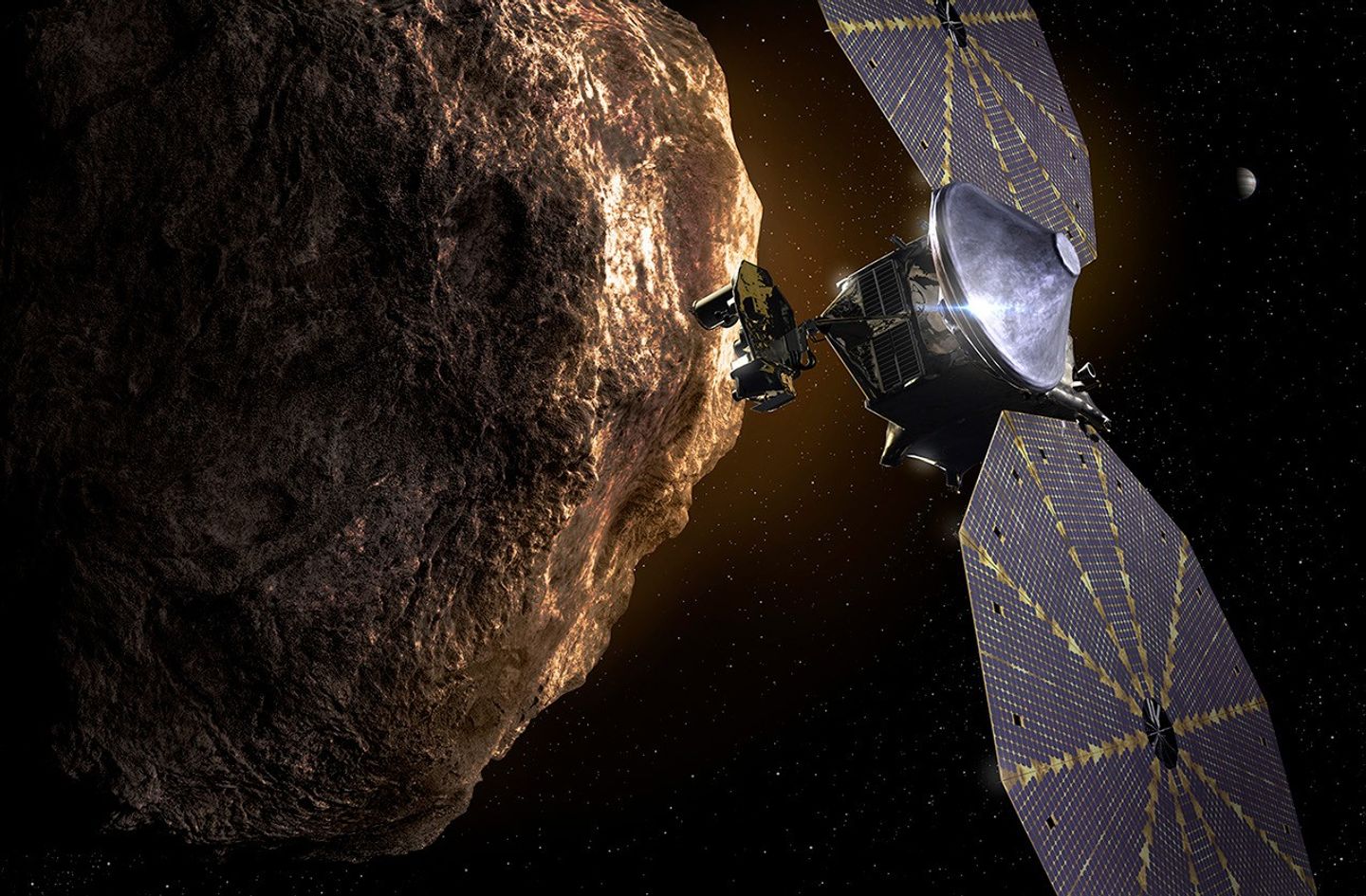
Lucy
The Lucy mission captured stunning, detailed images of asteroid Donaldjohanson during a fly by on April 20, 2025, as the spacecraft heads towards the distant Trojan asteroids.
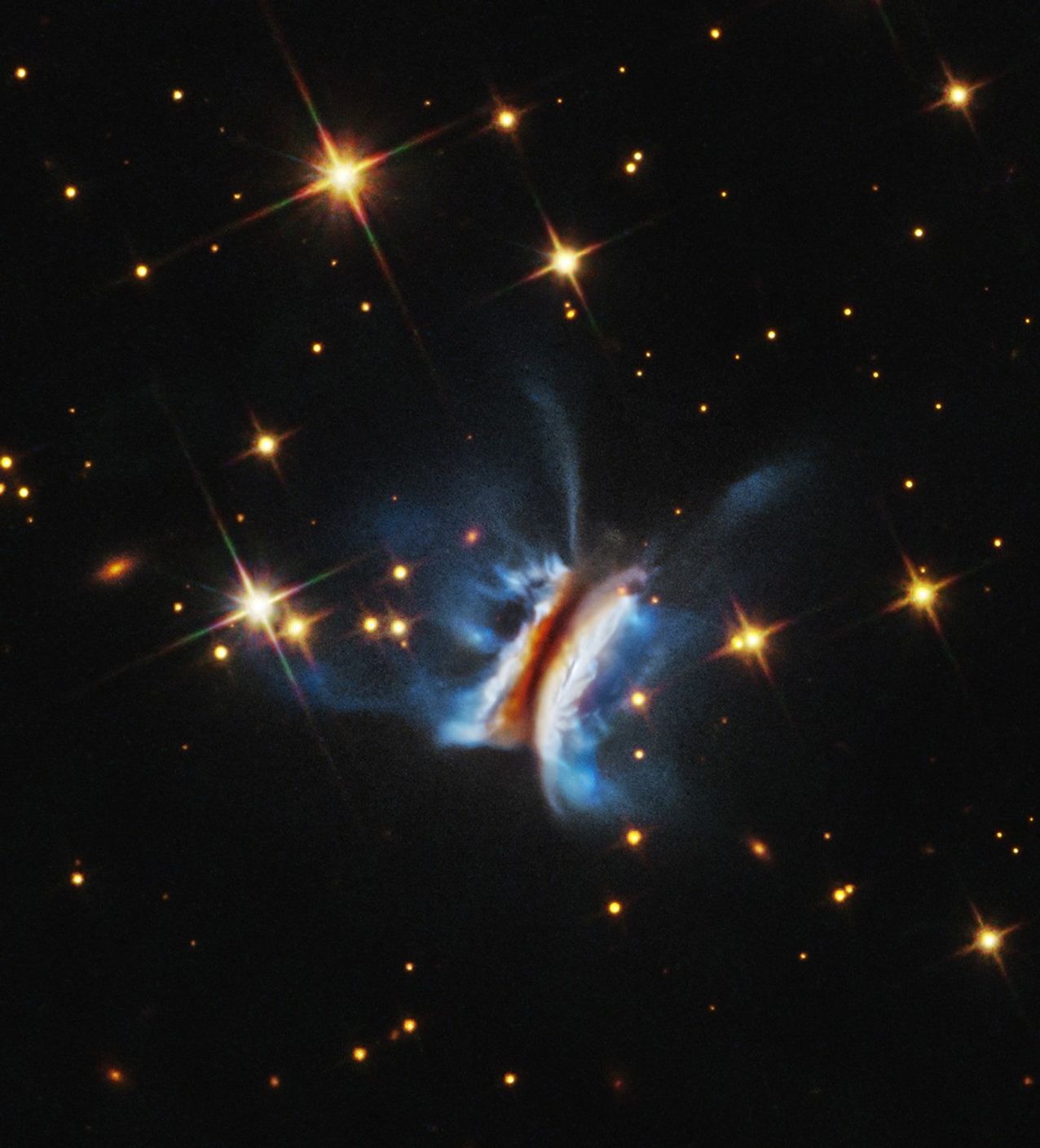


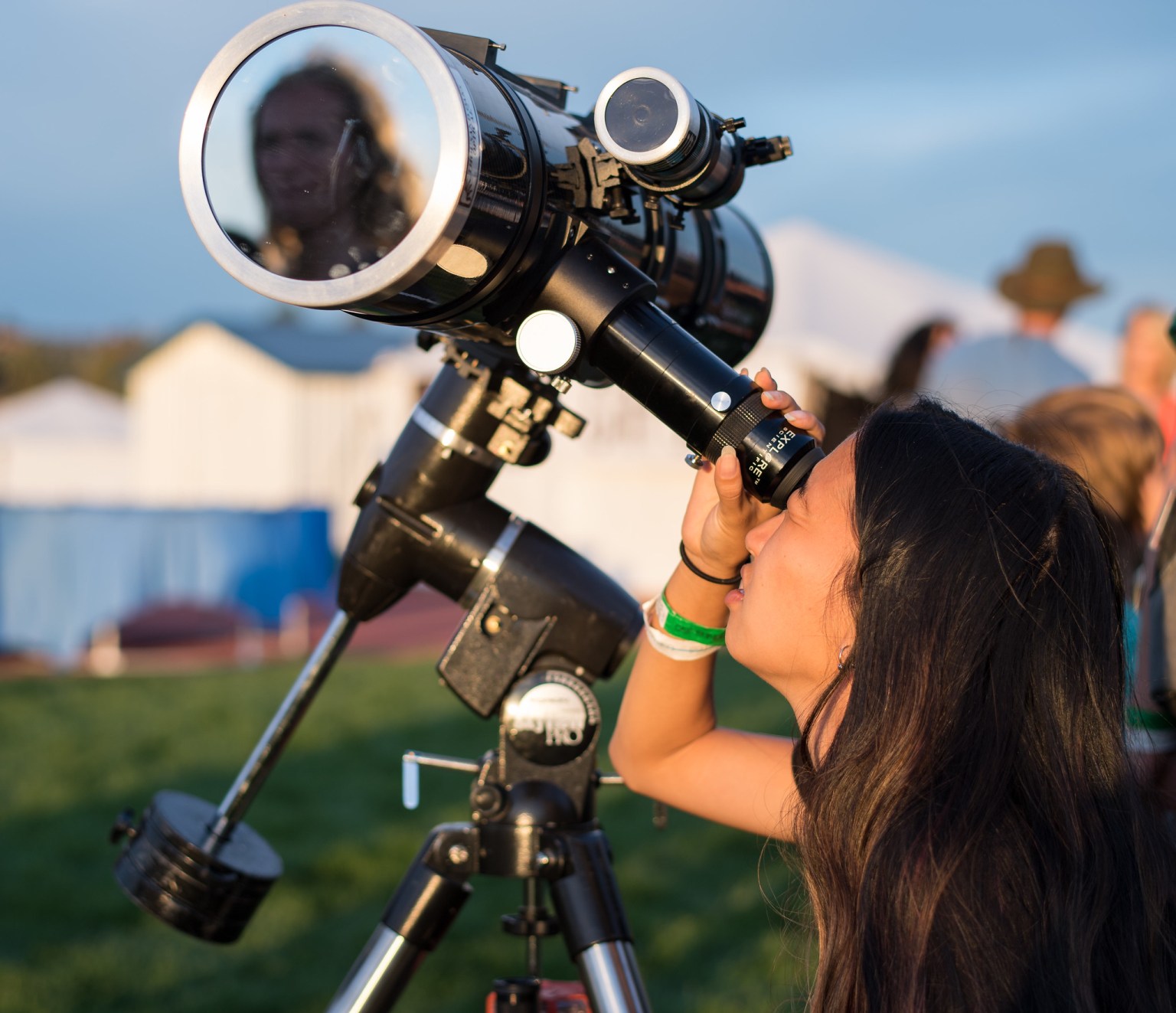
What’s Up: December 2025 Skywatching Tips
The 3I/ATLAS comet appears, the Geminids sparkle, and the Moon and Jupiter get close.
More December Skywatching Tips from NASA2025 in Review: Highlights from NASA in Silicon Valley
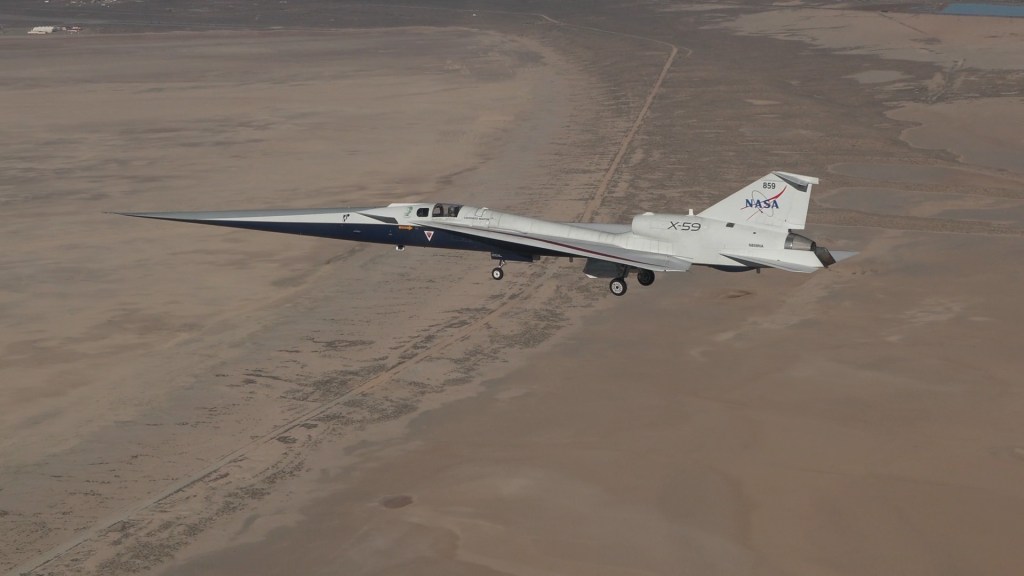
Editor’s Note: This article was updated on Friday, Dec. 19, 2025, to clarify the research done by ATM-X and ACERO.…
Read the Story
Sprites Over Château de Beynac
Learn about December's amazing image. Explore related topics, activities, games, and download desktop wallpaper.
Start Exploring
Helio Highlight: Comets, the Sun, and You
Interstellar comet 3I/ATLAS passed through the inner solar system in the last months of 2025. By studying comets like 3I/ATLAS, scientists can learn more about the Sun and other stars, and about how planetary systems form in the first place.
Read More about <strong>Helio Highlight: Comets, the Sun, and You</strong>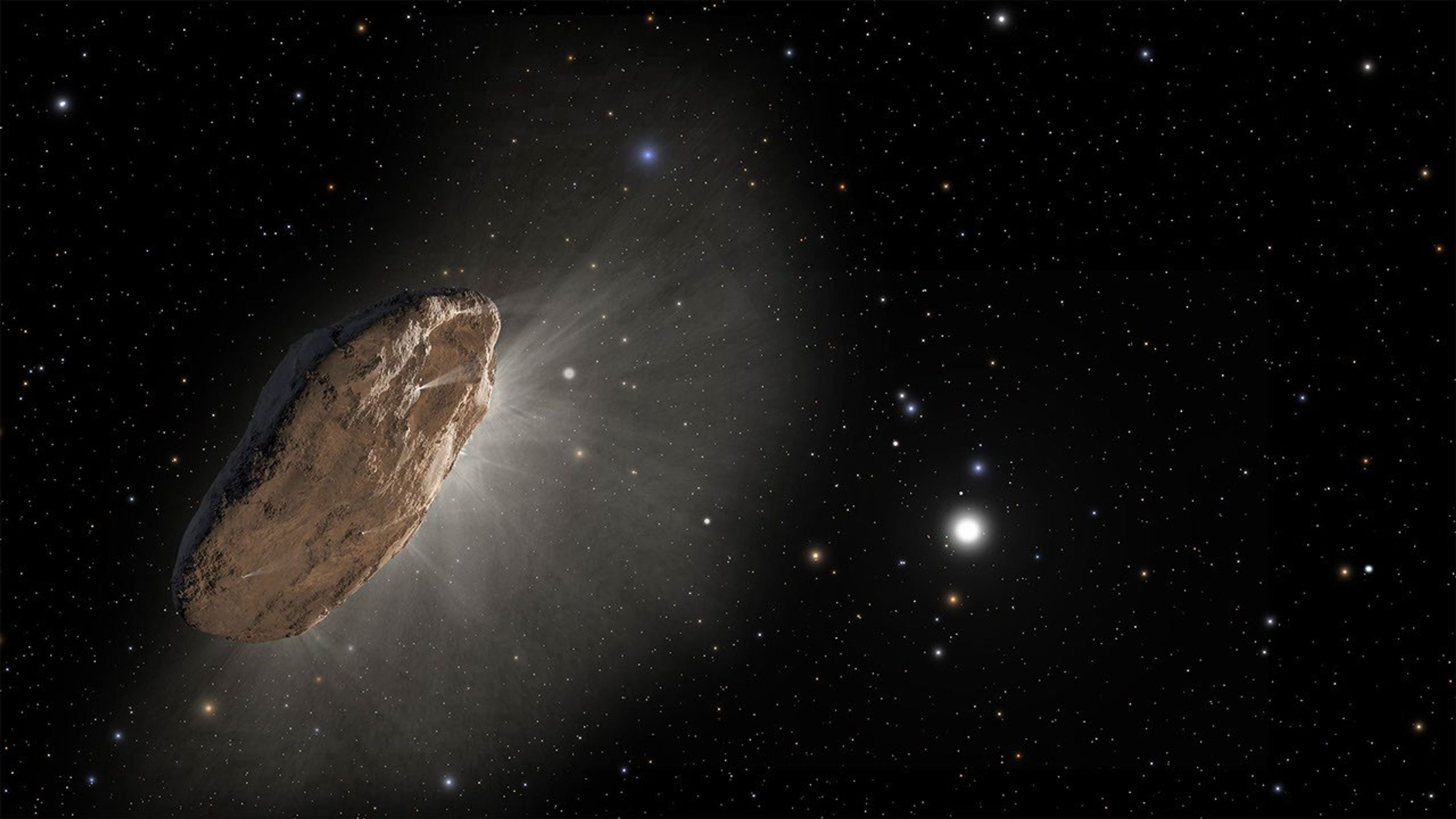
Citizen Science
Join NASA researchers and discover the secrets of the universe, search for life elsewhere, and protect and improve life on Earth and in space.
Through these projects, sometimes called “citizen science” or “participatory science” projects, volunteers and amateurs have helped make thousands of important scientific discoveries. These projects are open to everyone (no citizenship required).

Nicky Notes
To the NASA Science Community – As the nation’s leader in Earth and space science, NASA Science operates within the broader context of the federal government and its priorities. As part of the Executive Branch, we are always responsive to the direction set by the Administration, including executive orders and policy guidance that relate to our programs and activities.
Continue reading Nicky Notes…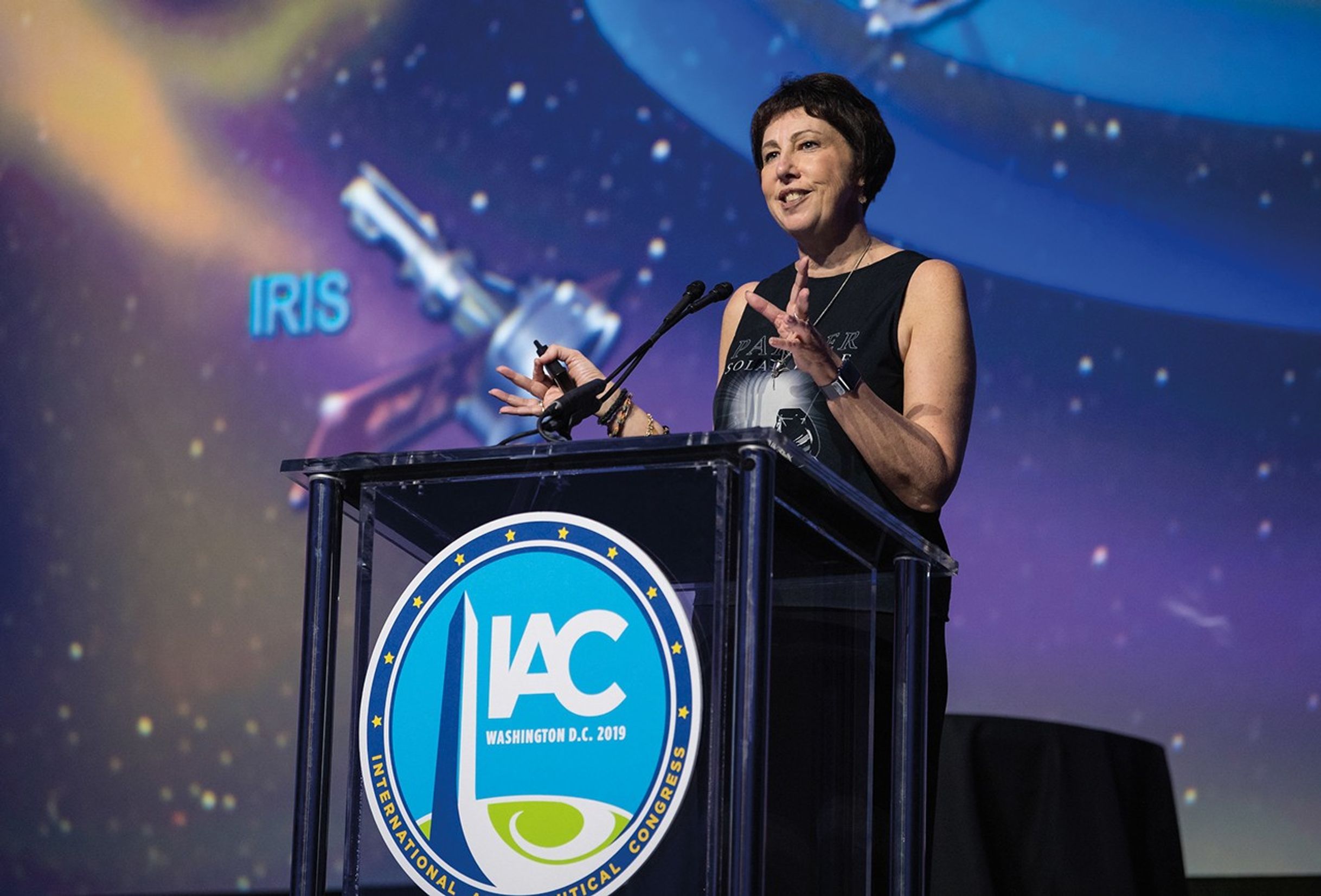
Explore our changing planet
Earth is our home, shared with millions of species. Rapid changes like rising temperatures and more frequent extreme weather are transforming our planet. For over 50 years, observations from space and ground have monitored these changes, guiding critical decisions in areas like agriculture and air quality. By understanding how our actions affect Earth's systems, we can help mitigate these impacts. Discover more about how you can make a difference in safeguarding our planet.
Visit the Earth Information Center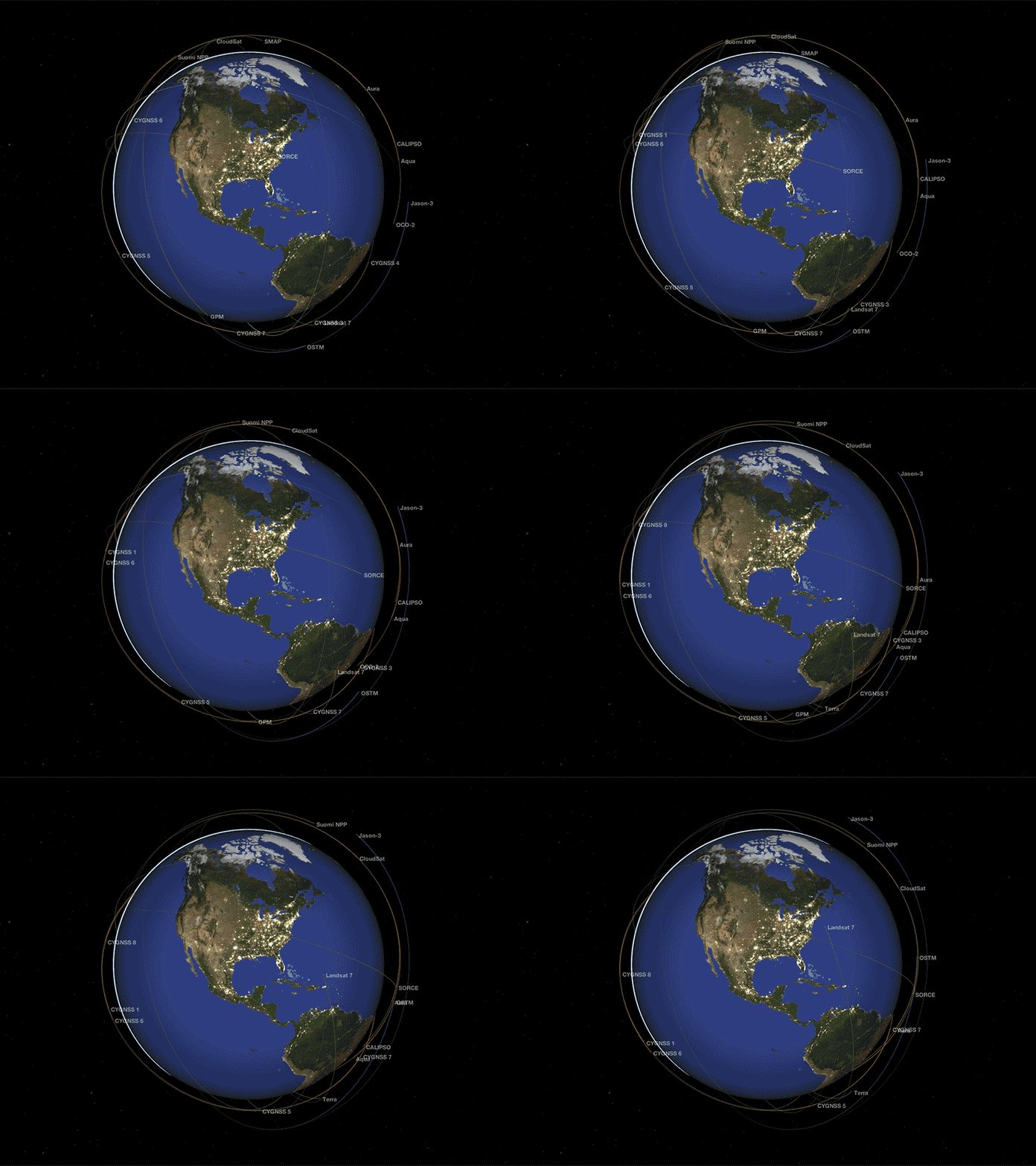
Dive Deeper
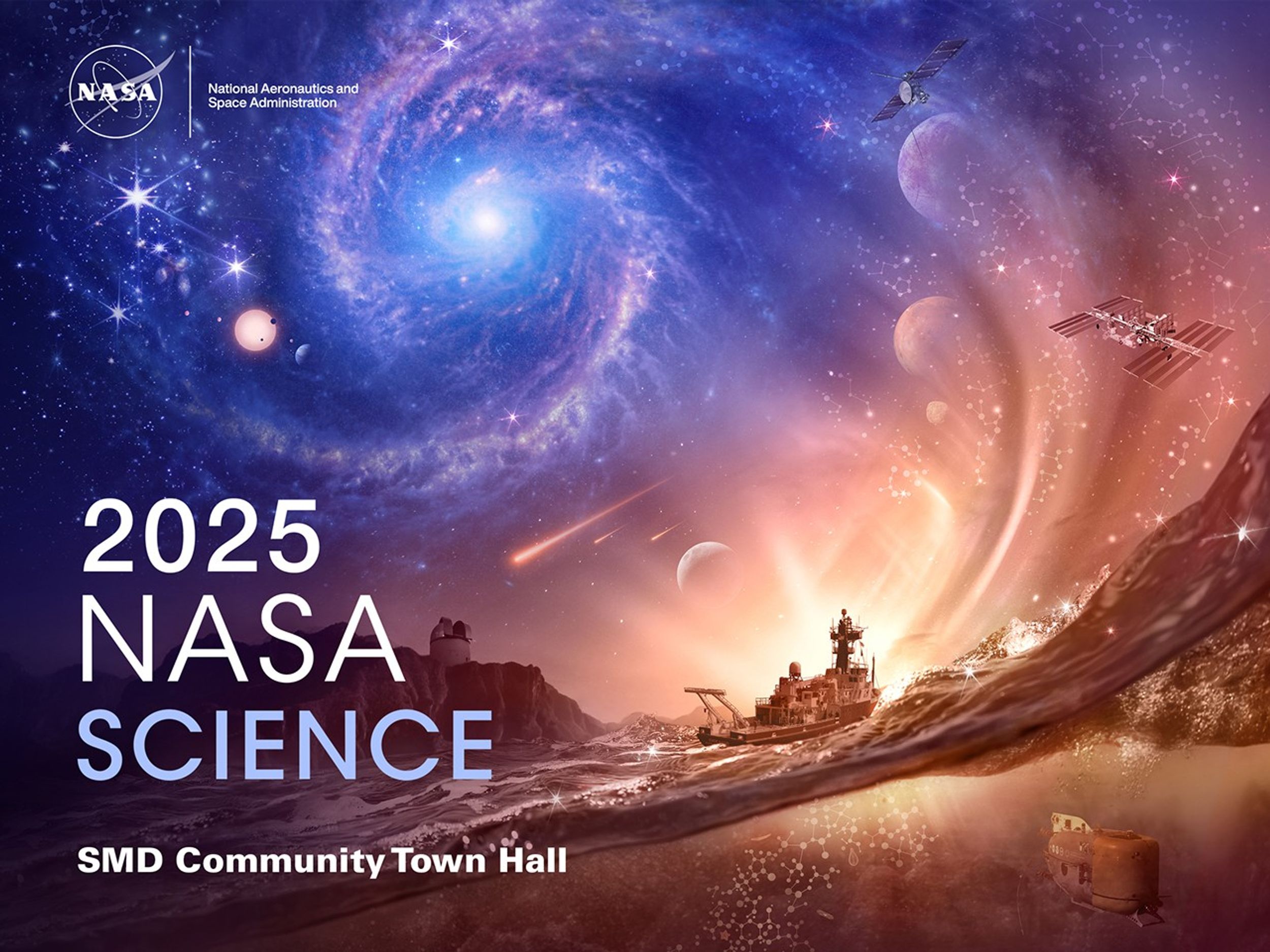
NASA Science Strategy
Our science strategy articulates a forward-thinking vision and presents a comprehensive, cohesive and long-term roadmap for all NASA activities.

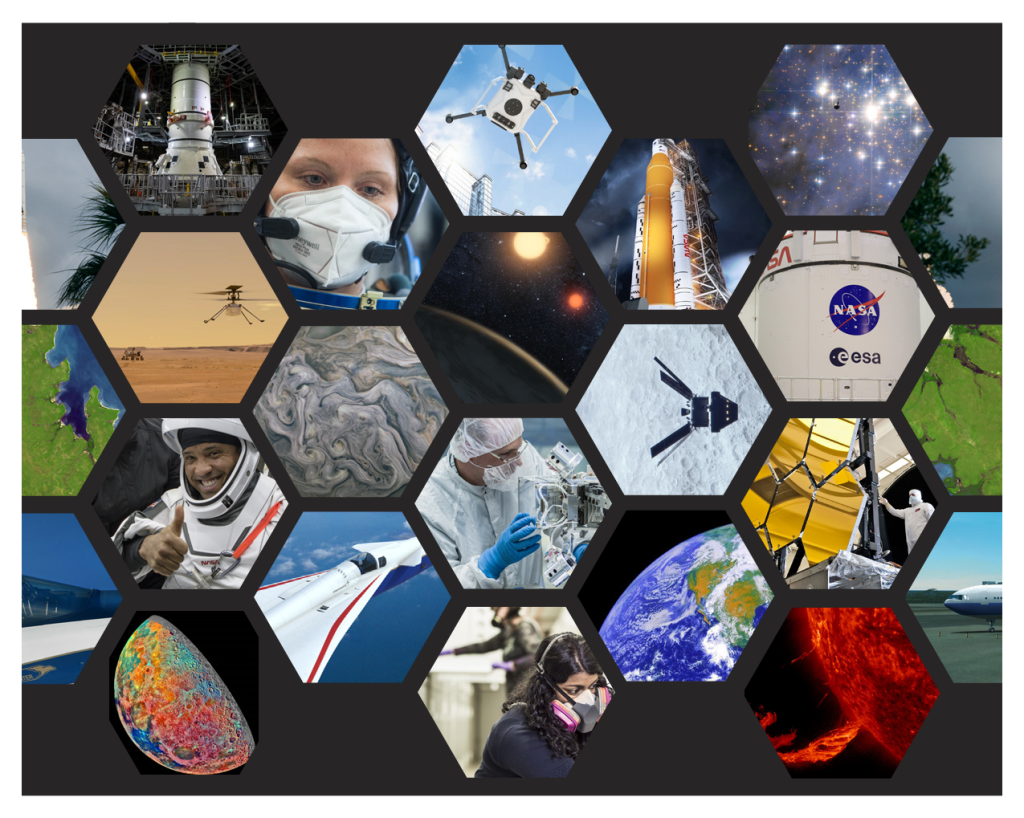
People of NASA Science
Meet the individuals who are instrumental in enabling the realization of NASA Science’s extraordinary mission.

NASA Science Careers
Discover career opportunities at NASA Science, where innovation, growth and collaboration shape the future of scientific exploration.